Intentional ingredients
Consider an ingredient’s place in the whole formula. A familiar name should have a clear reason to be there.
Science & Ingredients
Curiosity begins at the surface.
Understanding goes a little deeper.
Explore the language of ingredients, the thinking behind a formula and the details that help you make a considered choice. There is more to a product than its first impression.
Explore the ingredient library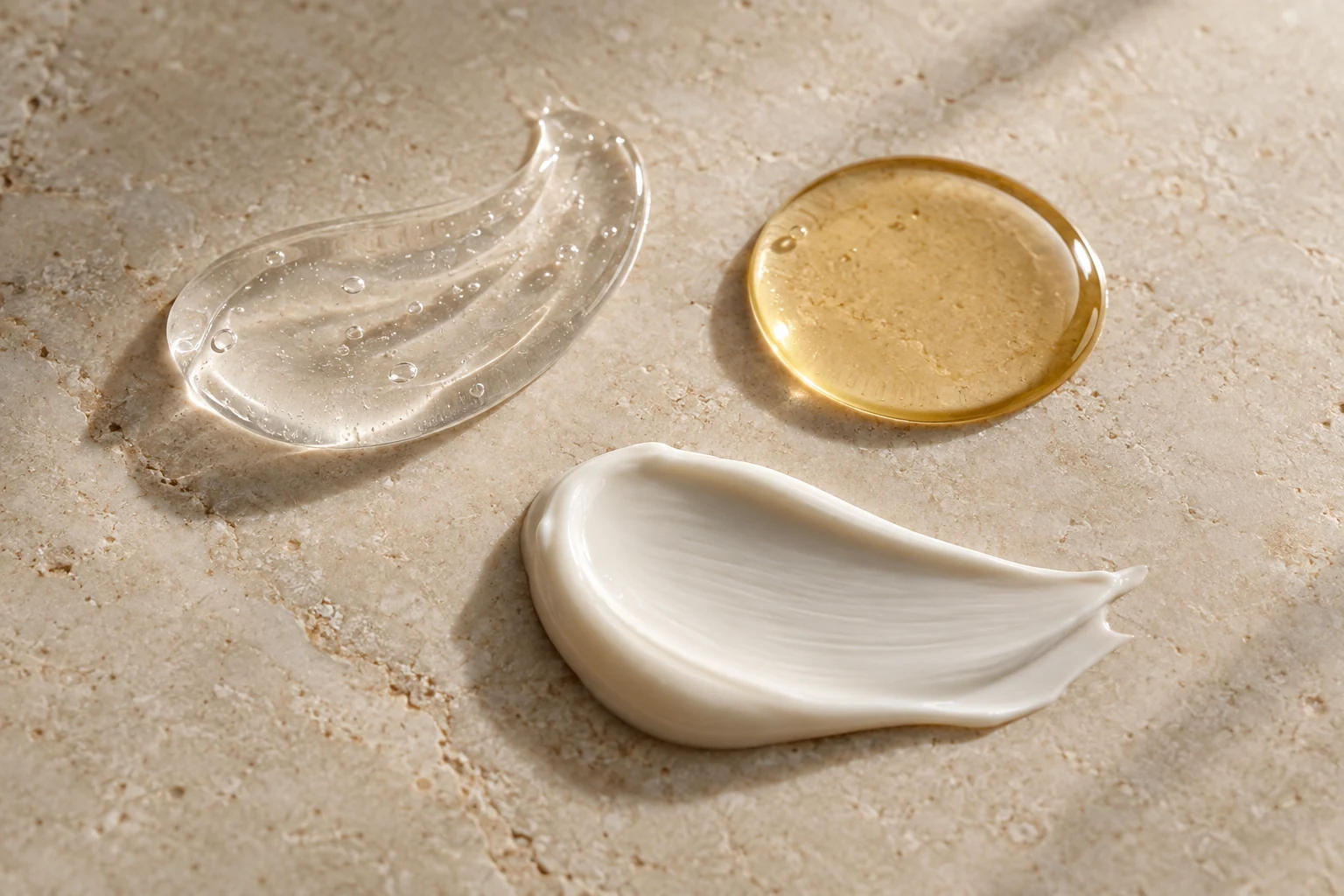
01 / Our formulation philosophy
A beautiful formula should make sense as a whole: the ingredients chosen, the purpose they serve and the experience of using it. For us, a considered approach begins with those questions, balancing the sensorial side of beauty with information you can understand.
We value clarity over a long list of promises. What is inside? What is its role? How does it belong in your routine? Those are the details that deserve a place alongside beautiful packaging.
02 / What guides our thinking
Our point of view on beauty starts with purpose and keeps understanding close. These are the questions we return to.
Consider an ingredient’s place in the whole formula. A familiar name should have a clear reason to be there.
Describe a product in plain language. Its feel, its intended use and its demonstrated results each tell a different part of the story.
Give texture and application careful attention. A pleasing experience and useful product information belong together.
Make the details easy to understand. A claim should have a clear basis, and a full ingredient list should speak for the product.
03 / Ingredient library
An independent guide to familiar skincare ingredients and ingredient families. These profiles explain general cosmetic roles, separately from the ingredient list for an individual product.
A humectant: an ingredient that binds water. In skincare, hyaluronic acid is used to help the surface of skin feel hydrated and supple. Its role depends on the complete formula.
A form of vitamin B3 used in skincare, including formulas concerned with the look and feel of skin texture. The ingredient’s role should be understood in the context of the whole formula.
Peptides are chains of amino acids. They are a broad ingredient family, with different structures and cosmetic roles; a specific peptide needs its own explanation rather than a promise attached to the family name.
A family of lipids also found in the skin’s outer layer. Cosmetic ceramides, such as ceramide NP, are used in formulas designed around moisture retention and skin conditioning.
An emollient used to soften and smooth the feel of skin. This clear oil-like ingredient appears in many cosmetic textures; its presence alone does not determine a finished product’s richness or finish.
Vitamin C appears in cosmetics as ascorbic acid and in other forms. It is used for antioxidant and skin-conditioning roles. The form, stability and finished formula matter when discussing its purpose.
Botanical extracts come from identified plants and plant parts. Green tea leaf extract is one familiar cosmetic example used for conditioning and antioxidant roles. Each extract deserves a specific name and explanation.
Derived from jojoba seeds, this ingredient is technically a liquid wax. In skincare it is used as an emollient, contributing to glide and a soft, smooth skin feel.
Our plain-language profiles draw on the ingredient database published by Cosmetics Europe, COSMILE Europe (opens in a new tab). An ingredient’s role is only part of the picture: its form, concentration and relationship to the complete formula matter, too.
04 / What ingredients can support
Skincare language becomes more useful when you know what it describes. Start with these broad cosmetic roles, then look at the complete product.
Beauty Beyond Earth.
Grounded in understanding.
Humectants such as glycerin and hyaluronic acid bind water. They are one part of how a cosmetic formula can support a hydrated feel.
Lipids, including ceramides, are relevant to the skin’s outer layer and moisture retention. The complete formula determines a product’s role.
Radiance describes how skin looks, including the way its surface reflects light. It is a visual quality, distinct from a clinical measure or a change in skin tone.
Emollients such as squalane and jojoba oil are used to soften and smooth skin feel. Texture and finish vary from one formula to another.
Ingredients such as vitamins C and E can help limit oxidation in a formula. Their role depends on the ingredient form and the composition around it.
05 / From formula to finished product
A product name sets a first impression. The fuller story is in the ingredient list, directions and care information. Read them together to understand what belongs in your own routine.
An INCI list names the ingredients in a cosmetic formula using a standard naming system. It gives you the whole composition to read, while a spotlight introduces only one ingredient or family.
A format does not tell you everything about its use. Read the application areas, method and precautions on the product’s own label rather than borrowing the directions from a similar bottle.
A description of texture is different from a measured result. When a product makes a performance claim, the supporting evidence should address that product and the way it is intended to be used.
Storage and handling belong in the same conversation as application. Follow the label for a cosmetic bottle and the supplied care guide for an accessory; different materials need different care.
06 / Explore the collection
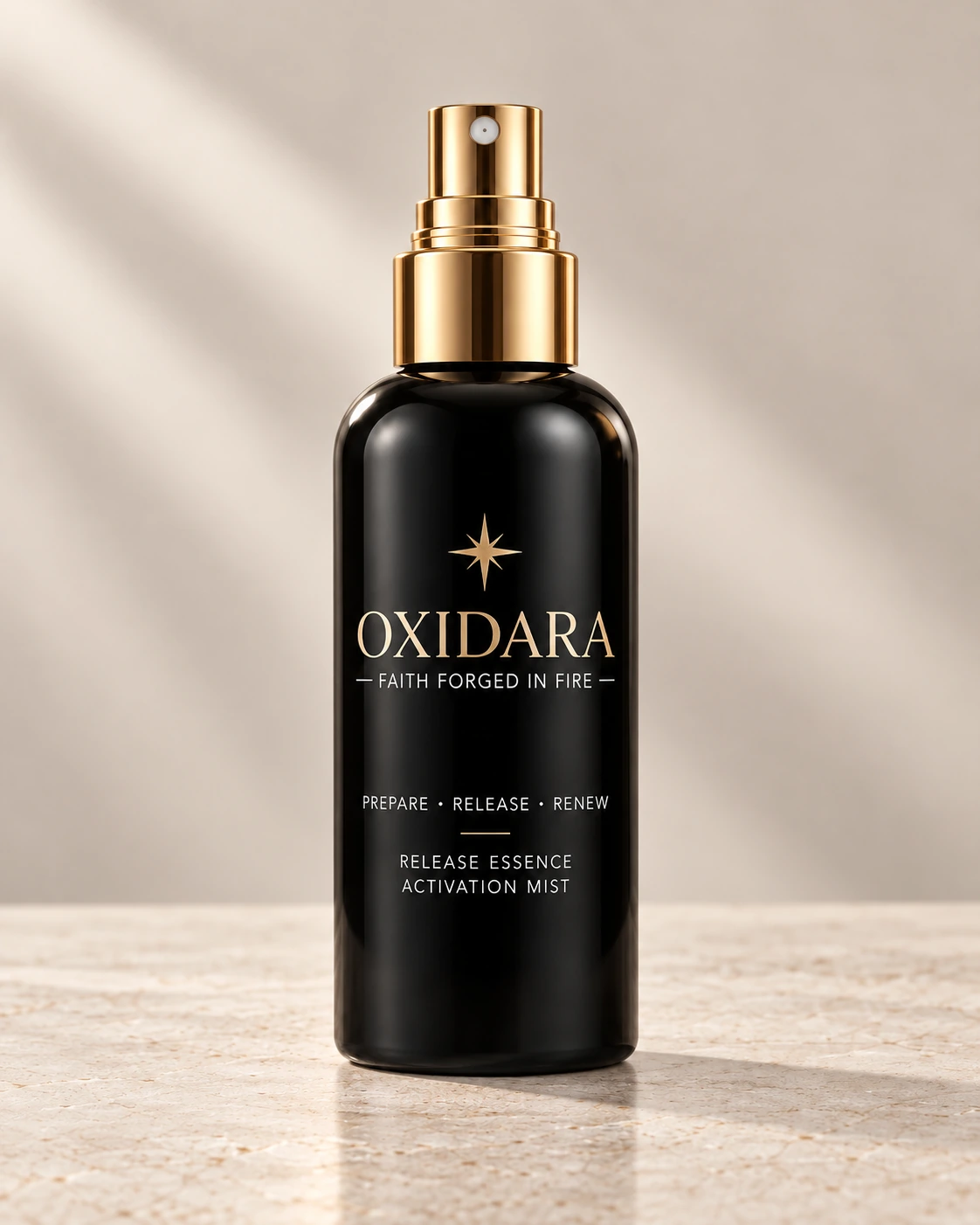
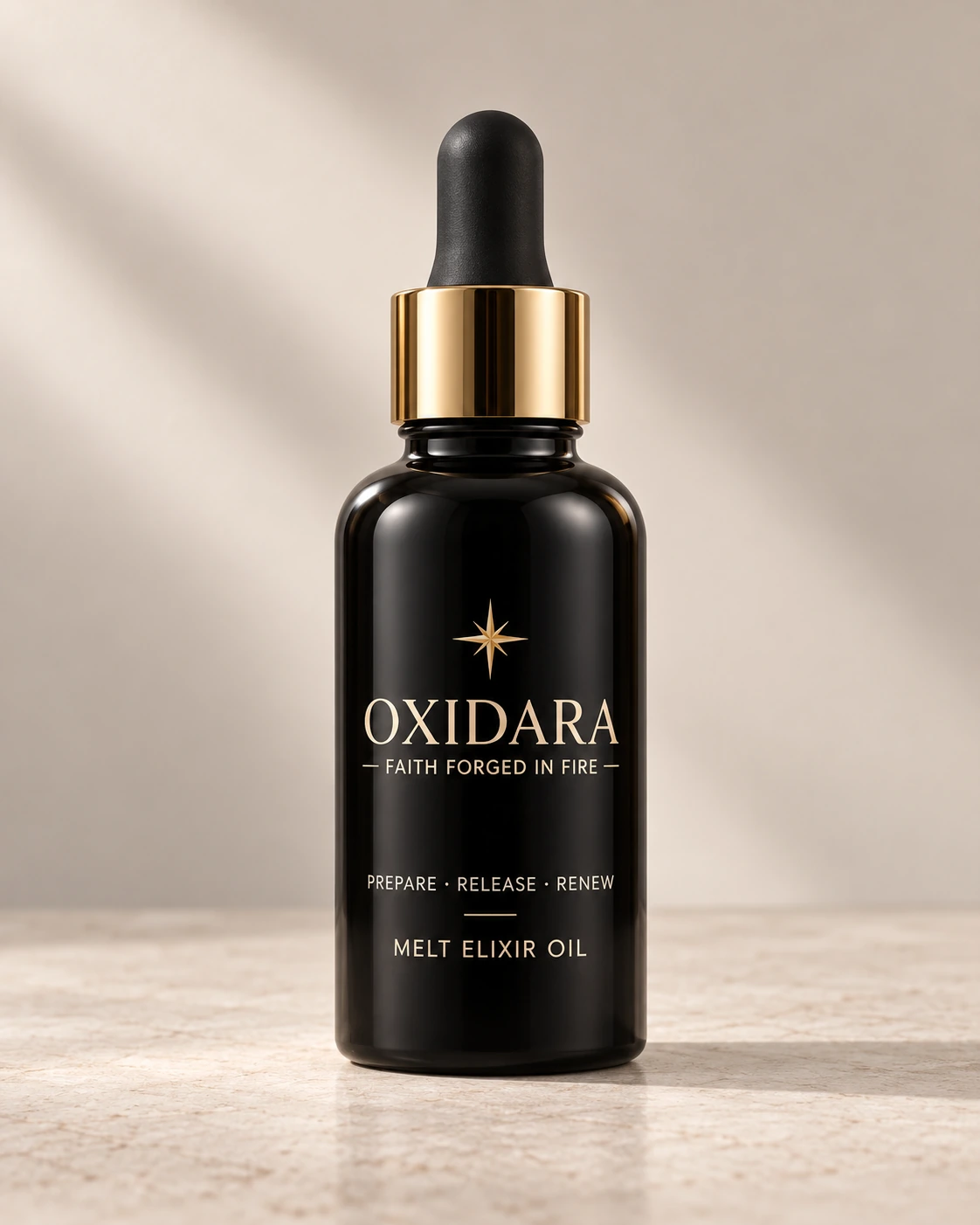
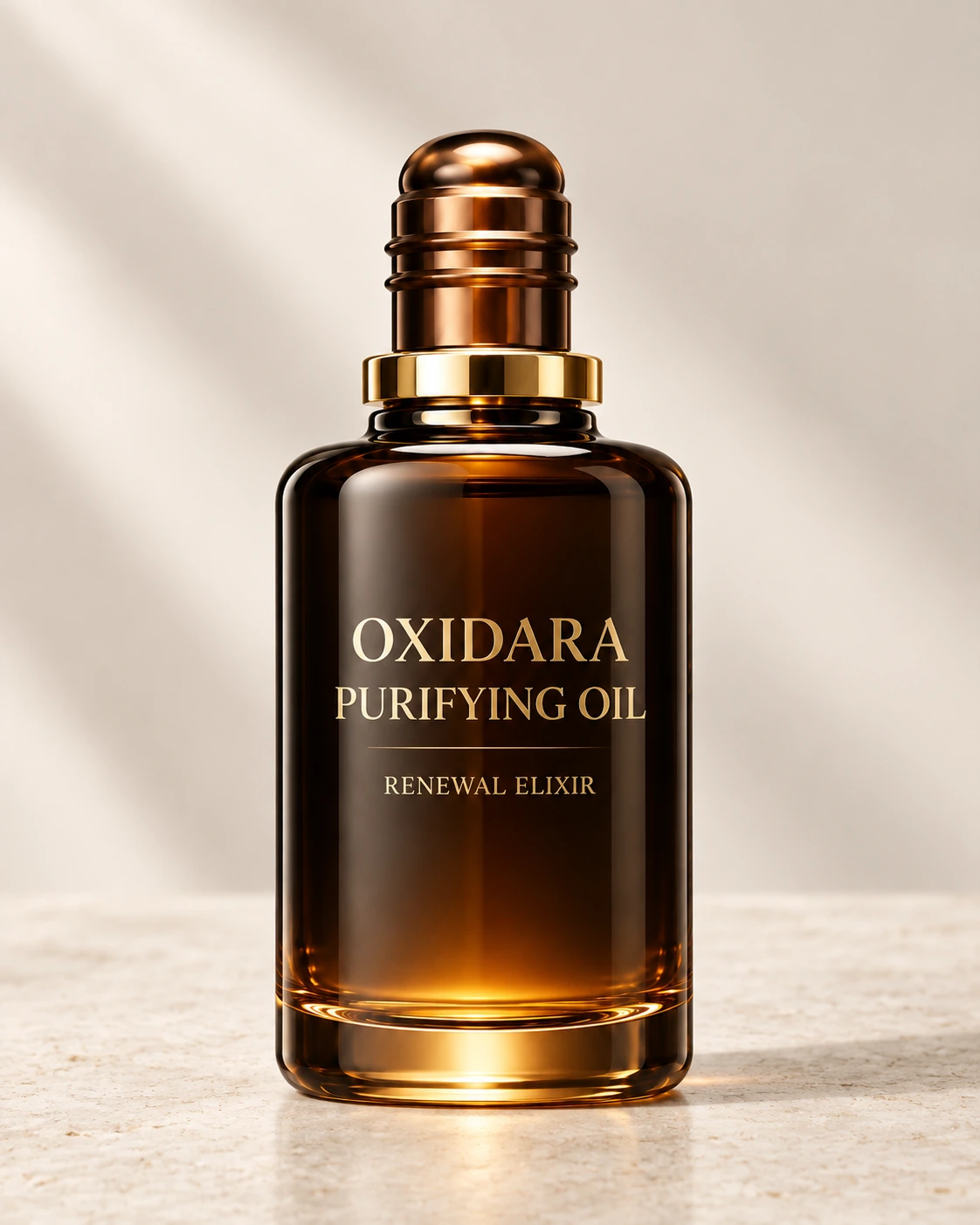
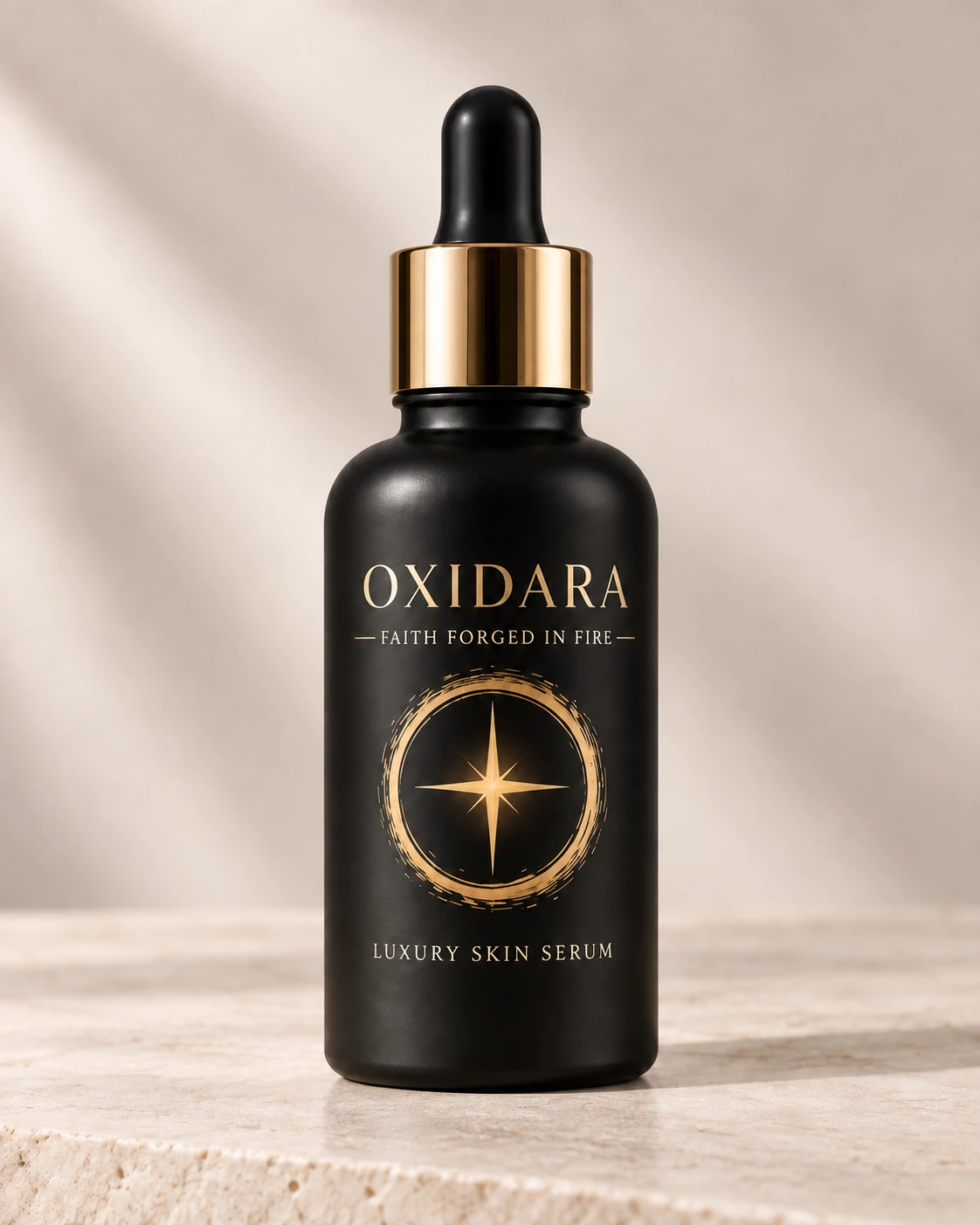
Five distinct beauty products. Find the format that catches your attention and take a closer look.